Source med epdm lining marine hose for ships, ports, and offshore
Find 16 med epdm lining marine hose options for maritime firefighting. Compare service pressures, burst ratings, and EPDM lining materials to select the right equipment for your vessel or port operations.
Key considerations
Products List




Comprehensive Sourcing Guide
Med Epdm Lining Marine Hose Sourcing Guide
Procuring marine fire hoses with EPDM lining requires a disciplined approach to verifying material integrity and regulatory compliance. The core keyword "med epdm lining marine hose" points to a specific subset of firefighting equipment designed for onboard use, where the lining material plays a critical role in preventing degradation from water exposure and chemical contaminants. EPDM, or ethylene propylene diene monomer, is selected for its superior resistance to ozone, weathering, and hot water, making it a preferred choice for marine environments where hoses are frequently exposed to salt spray and varying temperatures. Buyers must ensure that the EPDM lining is not merely a surface coating but a fully integrated component that maintains flexibility and seal integrity under pressure.
The sourcing landscape for these hoses is characterized by a mix of standardized marine-grade products and customizable industrial rubber solutions. Listings often indicate origins in China, with specific manufacturing hubs in Jiangsu and Tianjin provinces, suggesting a concentration of supply chain infrastructure in these regions. While the term "marine hose" implies strict adherence to maritime safety standards, the actual product attributes can vary significantly between suppliers. Some listings explicitly mention MED (Marine Equipment Directive) approval, while others describe the product as a general-purpose rubber hose with EPDM lining. This distinction is vital for procurement teams, as MED-approved hoses are subject to rigorous type-approval processes that non-certified industrial hoses are not.
Product Scope and Observed Listing Signals
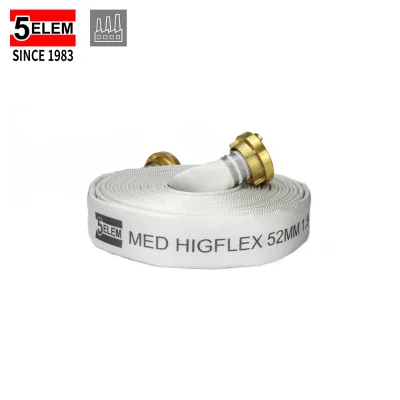
The observed product scope reveals a diverse range of offerings that share the EPDM lining attribute but differ in their intended application and certification status. Listings indicate product names such as "Marine Fire Hose," "EPDM Dense Rubber Hose," and specific model numbers like "Marineflo-D" and "MED HIGFLEX." These variations suggest that suppliers may be marketing the same physical product under different branding or categorizing industrial rubber hoses alongside specialized marine equipment. The presence of attributes like "On Board Firefighting" usage and "Class A and Class B fires" application confirms that a significant portion of the inventory is targeted at maritime safety requirements. However, buyers must carefully distinguish between hoses designed for permanent installation on vessels and those intended for general industrial use.
Observed listing signals also highlight significant variability in technical specifications and packaging. Inner diameters range from 38mm to 70mm, with lengths available in 20m, 30m, 50m, 60m, and 100m increments. This flexibility allows for customization to fit specific vessel layouts, but it also introduces complexity in inventory management and compatibility checks. The jacket material is frequently identified as 100% virgin polyester, which provides tensile strength and abrasion resistance. Additionally, some listings mention a service pressure of 15 Bar and a burst pressure of 45 Bar, which are typical benchmarks for marine fire hoses. Buyers should verify that these pressure ratings are consistent across the specific model they intend to purchase, as discrepancies may indicate different product tiers or manufacturing batches.
Technical Specifications to Verify
Verifying the technical specifications of EPDM-lined marine hoses is essential to ensure they meet the operational demands of maritime environments. The inner diameter and length are primary considerations, as they determine the flow rate and reach of the firefighting water. Common inner diameters include 38mm, 45mm, 52mm, 64mm, and 70mm, with corresponding lengths tailored to vessel size and safety regulations. Buyers should confirm that the hose dimensions match the existing fittings and couplings on their vessels to avoid compatibility issues. The lining material, specifically EPDM, must be verified for its density and uniformity, as inconsistencies can lead to premature failure under high-pressure conditions.
Pressure ratings and material composition are critical technical parameters that require strict verification. The service pressure and burst pressure are key indicators of the hose's durability and safety margin. While some listings specify a service pressure of 15 Bar and a burst pressure of 45 Bar, others may provide different values or lack this information entirely. The jacket material, often 100% virgin polyester, contributes to the hose's overall strength and resistance to external damage. Additionally, the outer covering should be inspected for resistance to UV radiation, oil, and chemicals, which are common hazards in marine settings. Buyers should request detailed material data sheets to confirm that the EPDM compound meets the required performance standards for flexibility and longevity.
Compliance and Safety Documentation
Compliance with maritime safety standards is non-negotiable for marine fire hoses, and buyers must prioritize suppliers who can provide valid certification documentation. The MED (Marine Equipment Directive) approval is a primary standard for hoses used on vessels operating in European waters and many other international jurisdictions. Listings that explicitly mention "MED Approved" or "MED HOSE" suggest adherence to these rigorous requirements. However, buyers must verify the authenticity of these certifications by requesting the actual approval certificates and cross-referencing them with recognized classification societies. Without valid documentation, a hose may not be accepted during vessel inspections or insurance audits, leading to operational disruptions and potential legal liabilities.
Beyond MED approval, other standards and certifications may be relevant depending on the vessel's flag state and operational region. Some listings mention RoHS compliance, which relates to the restriction of hazardous substances, although this is more commonly associated with electronic equipment. Buyers should also inquire about compliance with ISO standards for rubber hoses, such as ISO 1307, which governs the dimensions and performance of industrial rubber hoses. While these standards may not be mandatory for marine applications, they indicate a supplier's commitment to quality control and manufacturing consistency. It is crucial to ensure that the documentation provided by the supplier is up-to-date and covers the specific model and batch of hoses being purchased.
Cost Drivers and Commercial Terms
The cost of EPDM-lined marine hoses is influenced by several factors, including material quality, certification status, and order volume. Hoses with MED approval typically command a higher price due to the additional testing and documentation required for certification. The choice of inner diameter and length also affects the cost, with larger diameters and longer lengths generally being more expensive. Buyers should consider the total cost of ownership, which includes not only the initial purchase price but also maintenance, replacement, and potential downtime costs associated with non-compliant or low-quality hoses. Understanding these cost drivers allows for more accurate budgeting and supplier evaluation.
Commercial terms such as MOQ (Minimum Order Quantity), lead time, and payment terms are critical components of the procurement process. Observed MOQ ranges vary from 1 to 3000 units, reflecting the flexibility of suppliers to accommodate both small-scale replacements and large-scale fleet outfitting. Lead times are typically reported as 10-20 days, but this can vary based on the supplier's production capacity and the complexity of the order. Buyers should negotiate clear terms regarding delivery schedules, packaging, and warranty coverage. The warranty period, often cited as 3 years for some rubber hoses, provides a level of assurance regarding product durability. However, buyers should verify that the warranty covers specific failure modes relevant to marine applications, such as lining degradation or jacket abrasion.
Supplier Qualification and Quality Control
Supplier qualification is a critical step in ensuring the reliability and quality of EPDM-lined marine hoses. Buyers should assess suppliers based on their manufacturing capabilities, quality control processes, and track record in the marine industry. Suppliers located in Jiangsu and Tianjin, China, may have established supply chains and expertise in rubber hose manufacturing. However, buyers must verify that these suppliers have the necessary certifications and experience to produce MED-approved hoses. Requesting references from previous clients, particularly those in the maritime sector, can provide valuable insights into the supplier's reliability and product performance.
Quality control measures should be rigorously evaluated to ensure that the hoses meet the specified technical and compliance requirements. Buyers should inquire about the supplier's testing procedures, including pressure testing, lining integrity checks, and material composition analysis. Third-party inspection services can be employed to verify the quality of the hoses before shipment, providing an additional layer of assurance. It is also important to establish clear communication channels with the supplier to address any issues that may arise during production or delivery. Regular audits and performance reviews can help maintain a high standard of quality and foster a long-term partnership with reliable suppliers.
Long-Term Procurement Checks
Long-term procurement checks are essential for maintaining the integrity of the marine firefighting system and ensuring ongoing compliance with safety regulations. Buyers should establish a routine inspection schedule for installed hoses, checking for signs of wear, damage, or degradation. Regular maintenance, including proper storage and handling, can extend the lifespan of the hoses and prevent premature failure. Buyers should also stay informed about updates to maritime safety standards and regulations, as these may require changes to the procurement strategy or replacement of existing equipment. Engaging with industry associations and attending relevant conferences can provide valuable insights into best practices and emerging technologies.
Building a robust supplier relationship is key to long-term procurement success. Buyers should maintain open communication with their suppliers, providing feedback on product performance and addressing any issues promptly. Regular reviews of supplier performance, including delivery times, product quality, and customer service, can help identify areas for improvement and ensure that the supplier continues to meet the buyer's needs. Additionally, buyers should consider diversifying their supplier base to mitigate risks associated with supply chain disruptions. By implementing these long-term checks and fostering strong supplier relationships, buyers can ensure the reliability and safety of their marine firefighting systems.
FAQs
What is the service pressure rating for this marine hose?
The service pressure rating is 15 Bar. This hose also features a burst pressure of 45 Bar, ensuring safety during firefighting operations on board vessels.
Which lining material is used in the MED approved hose?
The hose utilizes an EPDM lining for durability. This material is selected to withstand harsh marine environments while maintaining flexibility during use.
Can I customize the length and diameter of the hose?
Yes, customization is available for both length and diameter. Inner diameters range from 38mm to 70mm, with lengths available from 20m to 100m.
What is the delivery time for orders of this product?
The standard delivery time is 10 to 20 days. Sample orders typically require 7 days, while bulk orders follow the standard lead time schedule.
Which certifications does the MED hose meet for marine use?
The product meets MED Approved standards for marine applications. It is designed specifically for class A and class B fire hazards on board ships.
What is the warranty period for the EPDM rubber hose?
The warranty period is 3 years from the date of purchase. This coverage applies to the product under normal usage conditions as specified.